“Do not be afraid, for I know that you are looking for Jesus, who was crucified. He is not here; he has risen, just as he said. Come and see the place where he lay.”
Matthew 28:5-6

After church service, I had my 4-km walk. It was a wrong move because it was still so freaking hot at 4:30 pm. Since the hot and dry season is already here, I should adjust my exercise time to an hour later than usual.

The trees are already teeming with summer fruits. Roadsides are now abundant with mangoes. When we were younger and our stomachs can handle sour things, we used to climb mango trees to pick green mangoes, peel the skin and dip the crunchy fruit in salt, fish sauce, soy sauce, or fish/shrimp paste (alamang or bagoong). Those were core memories of my childhood.

Corn will soon be harvested. They will have the land rest for a bit before planting rice in time for the wet season.
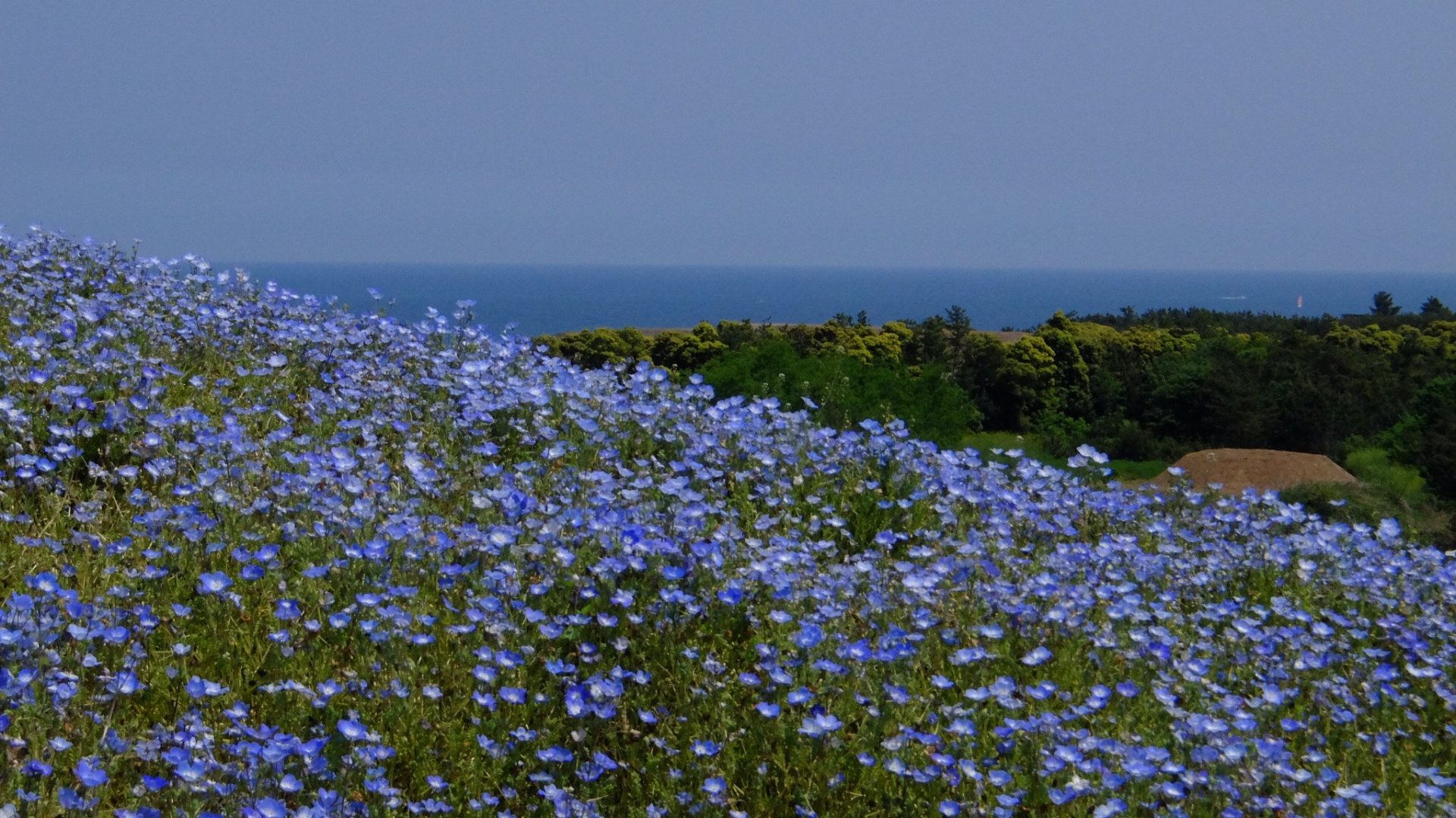
This idyllic scene masks the uncertainties looming hardships we’re facing.
Energy Secretary Sharon Garin issued a statement via her Facebook page, saying securing the safe passage of tankers carrying Philippine flags will not immediately help bring down oil prices but it ensures less suply disruptions. It is risk management.
𝗔 𝗟𝗜𝗧𝗧𝗟𝗘 𝗠𝗢𝗥𝗘 𝗖𝗟𝗔𝗥𝗜𝗧𝗬 𝗢𝗡 𝗧𝗛𝗘 𝗦𝗧𝗥𝗔𝗜𝗧 𝗢𝗙 𝗛𝗢𝗥𝗠𝗨𝗭 𝗦𝗔𝗙𝗘 𝗣𝗔𝗦𝗦𝗔𝗚𝗘.
In recent days, marami pong tanong tungkol sa ating arrangement to ensure safe passage through the Strait of Hormuz. These are valid questions—and they deserve clear, straightforward answers.
FOR CLARITY: This is not a perfect solution, and it does not eliminate all risks.
But it is an important step that improves our position in a highly uncertain global environment.
Even if much of our fuel is sourced from regional hubs like Singapore or Korea, the crude oil these come from often passes through the Strait of Hormuz. Any disruption there creates a domino effect that impacts global supply—and ultimately, prices at the pump.
What we have secured is a safe and preferential access.
This means:
- We reduce the risk of disruption to our supply
- We strengthen protection for Philippine-linked cargo
- We improve the safety considerations for Filipino seafarers
This is Risk Management, because in a time of global tension, risk reduction is already a meaningful gain.
We also want to manage expectations:
This development will not immediately bring down fuel prices, nor does it resolve our long-term structural challenges in energy. Those remain priorities that we continue to address.
But what this does is help ensure continuity of supply and stability, especially at a time when further disruptions could significantly affect our economy and our people.
We recognize that there are questions—and even concerns—about the scope and impact of this arrangement. That is part of a healthy and informed public discourse.
Our commitment is simple:
To continue providing clear, accurate, and timely information, and to act decisively in protecting the interests of the Filipino people.
𝗦𝗮 𝗴𝗶𝘁𝗻𝗮 𝗻𝗴 𝗸𝗿𝗶𝘀𝗶𝘀, 𝗮𝗻𝗴 𝗺𝗮𝗵𝗮𝗹𝗮𝗴𝗮 𝗮𝘆 𝗺𝗮𝗹𝗶𝗻𝗮𝘄 𝗮𝗻𝗴 𝗱𝗶𝗿𝗲𝗸𝘀𝘆𝗼𝗻 𝗮𝘁 𝘁𝘂𝗹𝗼𝘆-𝘁𝘂𝗹𝗼𝘆 𝗮𝗻𝗴 𝗮𝗸𝘀𝘆𝗼𝗻.
Oh boy, we will need all the help we can get in securing supply because this shitshow isn’t going to end soon.
